Featured
Table of Contents
"Just how are you?" The response to this concern is often extra challenging than the person asking may recognize. You could blurt out a fast, "Fine, thanks!" even when you understand you're not. AdvertisementCleveland Clinic is a charitable academic medical. Marketing on our website aids sustain our goal. We do not back non-Cleveland Center services or products.
And while that makes these conditions seem really various, they are much more intertwined than they might seem., offers us an introduction of what anxiousness and anxiety are, exactly how they show up in different ways, just how they can be associated and how to tell the distinction between the two.

Obsessing over circumstances or end results. Indecisiveness. Worry. Lack of ability to relax. Sensations of uneasyness. Difficulty focusing or physical frustration. On top of that, there's a wide range of physical signs and symptoms that can accompany anxiousness, including: Muscular tissue stress. Chest rigidity. Feeling conveniently weary or tired. Heart palpitations. Shortness of breath. A long term state of anxiety, which frequently causes your fight-or-flight reaction, can have significant effects on your health.
Relational Life Therapy Working Through Trust and Safety Issues with Work Challenges and Burnout
Jacobs says it's so important to seek treatment if you're experiencing these signs. A clinical depression diagnosis goes much past simply having the blues.
Trademark indicators of depression include: Feelings of unhappiness and sadness. Loss of passion. Problem sleeping. Feeling exhausted. A change in appetite. Inexplicable physical pain or pains. Seeming like small jobs take additional initiative. Having thoughts of self-harm or self-destruction. Sensations of unimportance and low self-worth, and depressed state of mind. Anxiousness and clinical depression are both typical psychological health and wellness disorders that can affect your ability to deal with your daily tasks and live your life completely.
Codependency Rooted in Childhood Trauma
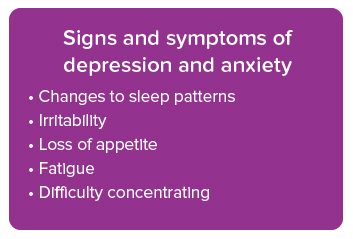
Both stress and anxiety and anxiety can trigger: Digestive system problems. Changes in hunger or weight. Problem sleeping. Trouble focusing. Irritability and restlessness. If you're experiencing any one of these signs and symptoms, it is necessary to allow a healthcare supplier know. If you're experiencing modifications in your mood and you're trying to iron out whether it may be clinical depression or stress and anxiety or both pay attention to your energy degree and your perspective towards the future.
On the other hand, anxiety can cause you to feel high-strung and stimulated, usually sustained by competing ideas and fear. One more huge distinction in between anxiousness and depression additionally is available in the treatment of each condition. It's important to talk to your therapist, psychoanalyst or doctor to ensure you're getting the right therapy.
Digital Therapy Considerations for Trauma Treatment
According to the Anxiety & Anxiety Association of America, practically fifty percent of individuals that are detected with depression are likewise identified with stress and anxiety. In many cases, one may have caused the other."It's nearly like we're trying to arrange out the hen and the egg. We're attempting to determine which one happened initially, and after that if one triggered the various other," clarifies Dr.
When this occurs, you can likewise be at greater danger for self-harm. In this scenario, intensive therapy can be extremely helpful for managing anxiety accompanied by distressed distress, so it is very important to connect for aid. Whether they happen together or separately, anxiety and anxiousness are both treatable. The majority of people benefit from psychotherapy (talk treatment), cognitive behavior modification (CBT), medicine or a mix.
Stress and anxiety problems frequently go hand in hand with anxiety. Anxiousness and clinical depression are usually referred to togetherWith each other but yet are not the same. If you drop into any of the groups reviewed listed below, you might be a lot more vulnerable to anxiousness or depression(or both)compared to others: Women are a lot more likely to be identified with stress and anxiety problems compared to guys.

Latest Posts
Professional Training in Psychodynamic Therapy for Effective Treatment
Processing from Inherited Wounds with Therapy for Siblings
Managing Anxiety for OCD in Roseville, CA